
 Türkçe
 English
 Española
 German
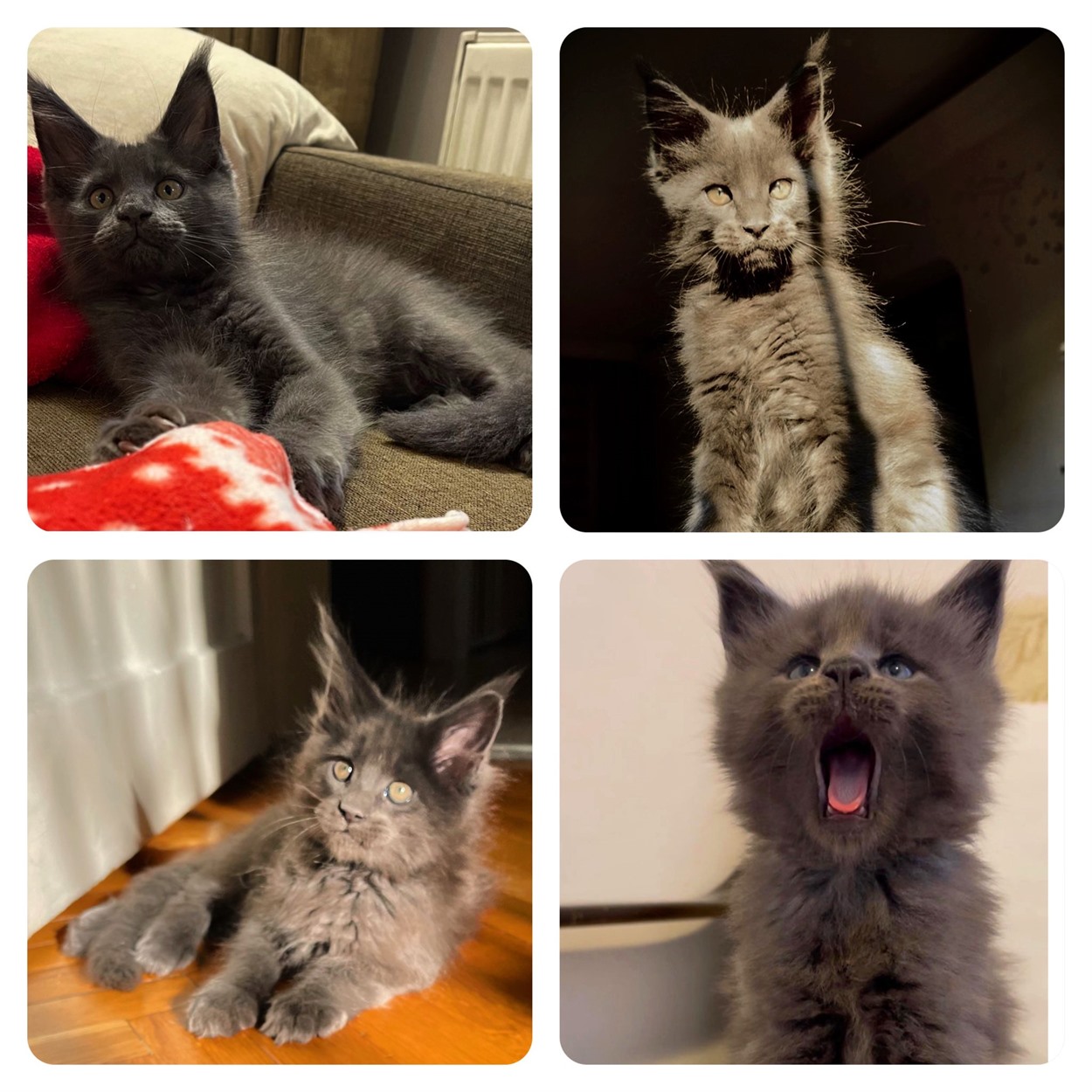
Maine Coon cats differ from many other domestic cat breeds with their strong bone structure, muscle development and long growth period. For this reason, their nutrition plans should be arranged according to age, development stage and individual needs.
Balanced nutrition supports not only the maintenance of ideal body condition, but also muscle structure, the normal function of the immune system and overall quality of life.
In this guide, we will review the changing nutritional needs of Maine Coon cats from kittenhood to adulthood.
Why Is Maine Coon Nutrition Different?
Maine Coon cats are among the large cat breeds, and their development period is longer than that of many other cats.
This can closely affect:
Energy needs,
Protein requirements,
Weight control,
Muscle development.
For this reason, an age-appropriate and balanced nutrition plan is important.
Nutrition in Maine Coon Kittens
Kittenhood is a period of rapid growth.
During this stage:
Muscle and bone development continues,
The immune system develops,
Physical activity increases,
New learning processes occur.
Therefore, kittens have different needs from adult cats.
Regular Meals
Kittens may generally need to be fed more frequently.
When planning meals, the following should be considered:
Age,
Activity level,
Body condition.
Growth Monitoring
Regular development monitoring is important in Maine Coon kittens.
Healthy growth does not only mean weight gain.
Muscle development, mobility and general condition should also be evaluated.
The Young Maine Coon Period
Maine Coon development continues for a long time.
Many individuals continue physical development until they are several years old.
During this period:
Balanced energy intake,
Nutrition that supports muscle development,
Weight control
become important.
Adult Maine Coon Nutrition
In adulthood, the main goals should be:
Maintaining ideal body condition,
Supporting muscle structure,
Preventing excessive weight gain.
Each cat may have different needs.
For this reason, the nutrition plan should be reviewed regularly.
Why Is Protein Important?
Cats are biologically carnivorous animals.
Protein contributes to:
Maintaining muscle structure,
Normal growth,
Tissue renewal.
Especially in large cats such as the Maine Coon, protein quality is an important evaluation criterion.
The Role of Fats
Fats are a source of energy and also take part in various biological processes.
They should be provided in balanced amounts.
However, because fats are energy-dense, excessive intake can make weight control more difficult.
Carbohydrates and Balanced Nutrition
Carbohydrates may be present in different amounts depending on the nutrition plan.
The important point is to protect the overall nutritional balance rather than focusing on only one nutrient group.
Why Is Water Intake Important?
Water is one of the basic components of life.
Adequate water intake is important for:
General health,
Metabolic processes,
Daily quality of life.
To Support Water Intake
Clean water should always be accessible.
Water bowls should be cleaned regularly.
More than one water point can be created.
Each cat may have different water-drinking habits.
Weight Control in Maine Coons
Being a large cat does not mean being overweight.
When evaluating weight, the following should be considered together:
Body condition,
Muscle structure,
Mobility.
Excess weight may:
Affect the movement system,
Reduce daily activity,
Create negative effects on long-term health.
Free Feeding or Scheduled Meals?
There is no single correct approach for every cat.
When choosing a feeding routine, consider:
The cat's age,
Activity level,
Weight status,
Daily routines.
Nutrition plans can be shaped according to individual needs.
Treats and Supplements
Treats can be used for training and interaction.
However, a measured approach is important so that daily energy intake remains balanced.
Each new food should be introduced in a controlled way.
Should Sudden Diet Changes Be Made?
Sudden changes may make the adaptation process difficult for some cats.
If a nutrition plan needs to be changed:
A gradual transition should be applied,
Appetite should be monitored,
General condition should be observed.
Nutrition Needs by Age
| Period | Focus | Monitoring | Support |
|---|---|---|---|
| Kitten Period | Growth-focused nutrition | Regular development monitoring | Frequent meals |
| Young Period | Muscle development | Weight control | Activity support |
| Adult Period | Maintaining condition | Balanced energy intake | Long-term health support |
| Senior Period | Mobility | Body condition | Regular health evaluations |
may come to the forefront.
Nutrition and Veterinary Follow-up
Every cat's needs are different.
For this reason:
Regular weight measurements,
General health checks,
Nutrition evaluations
should be part of the long-term care plan.
Common Nutrition Mistakes
Some practices may create problems in the long term:
Overfeeding
Uncontrolled use of treats
Sudden food changes
Neglecting water intake
Not monitoring weight
For this reason, a planned approach is important.
Frequently Asked Questions
Do Maine Coon cats eat more than other cats?
Their energy needs may differ because of their size. However, needs vary according to age, activity level and individual characteristics.
Until what age do Maine Coon kittens grow?
Many Maine Coons may complete physical development between 3 and 5 years of age.
Why is water intake important?
Water plays a basic role in the normal continuation of metabolic processes.
Is weight monitoring necessary in Maine Coons?
Yes. Regular weight and body-condition evaluation is an important part of healthy development.
Balanced nutrition in Maine Coon cats is one of the basic elements of healthy development and quality of life. It is important to consider changing needs from kittenhood to adulthood, monitor weight regularly and support adequate water intake. A planned, age-appropriate nutrition approach can help protect the strong structure and general health of the Maine Coon for many years.