
 Türkçe
 English
 Española
 German
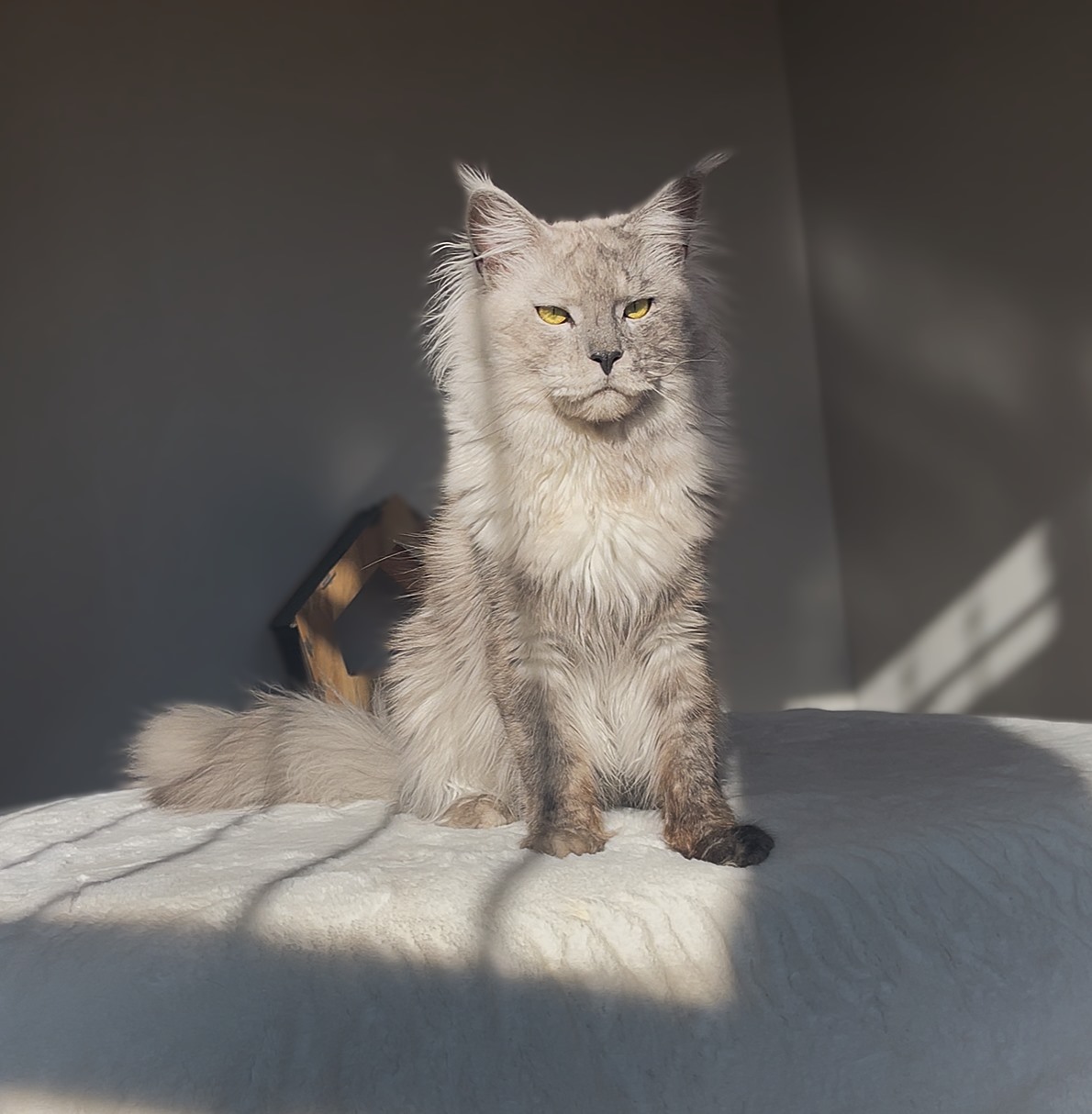
Maine Coon cats are one of the world's most loved cat breeds with their impressive appearance, strong physical structure and social character. However, one of the most important factors affecting a Maine Coon's development is genetic heritage.
A cat's physical traits, health history and some behavioral tendencies can be influenced by genetic characteristics passed down through generations. For this reason, in the Maine Coon world, the health status, temperament and registered lineage of the parents are among the important evaluation criteria.
In this article, we will examine why Maine Coon parents are important and which points should be evaluated.
What Is Genetic Heritage?
Every kitten receives half of its genetic material from the mother and half from the father.
This genetic heritage can influence:
Physical traits,
Body structure,
Coat characteristics,
Some behavioral tendencies,
Health-related genetic factors.
For this reason, the characteristics of the parents can provide important information about a kitten's development.
How Are Physical Traits Passed On?
Many features that create the characteristic Maine Coon appearance carry genetic influences.
For example:
Body structure
Bone thickness
Ear structure
Coat structure
Tail length
Eye shape
can be influenced by genetic traits inherited from the parents.
However, every kitten is unique and is not an exact copy of its parents.
Effects on Size and Development
The size of a Maine Coon is not determined only by nutrition.
Genetic structure can influence:
Adult size,
Muscle development,
Bone structure,
Growth rate.
For this reason, the physical structure of the parents is often an important reference point.
Can Temperament Traits Be Inherited?
Temperament development cannot be explained by genetics alone.
However, some behavioral tendencies may carry genetic influences.
For example:
Level of sociability
Curious nature
Desire to play
Response to environmental stimuli
are shaped by the combined effect of genetic and environmental factors.
The socialization process during kittenhood is also very important.
Why Is Health History Important?
In registered cat breeds such as the Maine Coon, health history is an important evaluation factor.
Knowing the parents' health status can contribute to:
Long-term health planning,
Veterinary follow-up,
Genetic evaluations.
For this reason, health records have an important place in modern breeding practices.
Genetic Tests and Parents
Today, some genetic evaluations are widely used.
For example, genetic tests related to:
HCM
SMA
PKDef
are among the tools used in veterinary genetics.
These tests can provide information about specific genetic variations.
HCM and Heart Health
Hypertrophic Cardiomyopathy (HCM) is one of the best-known health topics in the Maine Coon breed.
For this reason, many breeders carry out:
Genetic evaluations,
Cardiology checks,
Regular health screenings.
The goal is to contribute to the continuation of healthy generations.
Why Is Genetic Diversity Important?
In the modern world of felinology, focusing only on certain traits is not considered sufficient.
Genetic diversity:
Supports population health,
Contributes to the long-term sustainability of the breed,
Can help manage genetic risks.
For this reason, it is an important concept in responsible breeding.
Do the Parents' Temperaments Affect the Kittens?
Kittens are influenced not only by genetic traits, but also by early life experiences learned through their parents.
Especially the mother cat's:
Relationship with people,
Level of environmental confidence,
Daily behavior
can influence the kittens.
Therefore, early environmental factors are also important.
Why Is the Mother Cat Especially Important?
The mother cat is the kittens' first teacher.
In the first weeks:
Social behaviors,
Basic communication skills,
A sense of environmental confidence
develop through relationships with the mother and siblings.
This period is an important process that may affect later life.
Why Is the Father Cat Evaluated?
Although the father cat does not take part directly in the care process, he is important because of his genetic contribution.
The father's:
Health history,
Physical structure,
Temperament traits,
Lineage history
can be considered in genetic evaluations.
Pedigree and Parent Tracking
Thanks to registered pedigree systems, parent information can be followed across generations.
These records can show:
Mother and father information,
Previous generations,
Registered bloodlines.
For this reason, the pedigree system is an important part of lineage tracking.
International Registration Systems
Various international felinology organizations use registration systems in the Maine Coon world.
The World Cat Federation is one of the international organizations where pedigree records are kept.
These systems help registered lineage history to be followed.
What Can Be Evaluated When Reviewing Parents?
In general, the following topics can be examined:
Health
Veterinary checks
Health history
Genetic evaluations
Physical Traits
Body structure
Bone system
Suitability to breed standards
Temperament
Sociability
Communication with people
Daily behavior
Lineage History
Registered pedigree information
Records followed across generations
Common Misconceptions
The Bigger the Parents, the Bigger the Kitten Will Be
Genetic influences are important, but growth is affected by many factors.
Temperament Is Completely Hereditary
Temperament is shaped by both genetic and environmental factors.
Only the Mother Is Important
Both the mother and the father provide genetic contribution.
Pedigree Alone Is Enough
Health evaluations and veterinary records are also important.
Frequently Asked Questions
Do parents affect a kitten's development?
Genetic structure, health history and some physical traits can be influenced by the parents.
Why are genetic tests performed?
They can provide information about certain genetic variations and contribute to health planning.
Is temperament inherited from the parents?
Some tendencies may be influenced, but environmental factors also play a major role.
Does a pedigree show parent information?
Yes. Pedigree documents include registered mother and father information.
Maine Coon parents can provide important information for understanding the kittens' genetic background, physical traits and some behavioral tendencies. When health evaluations, genetic tests, temperament traits and registered lineage history are considered together, a more comprehensive evaluation becomes possible. For this reason, regular tracking of parents' health and registration information is considered an important approach in modern Maine Coon breeding.