
 Türkçe
 English
 Española
 German
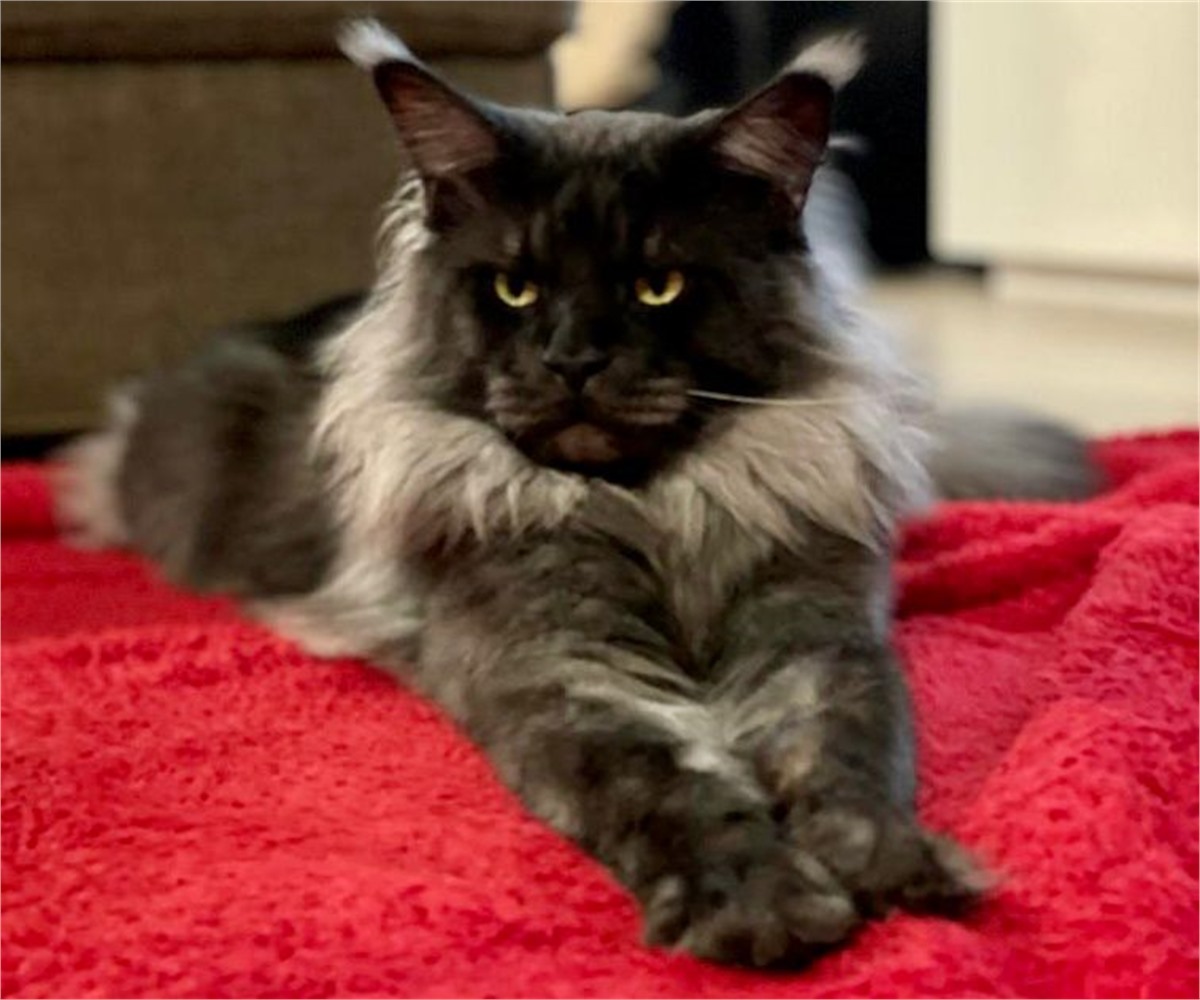
Maine Coon cats are a special breed known for their long development period, strong physical structure and social character. One of the topics most often researched by cat owners is the neutering process and the points that should be considered afterward.
The decision to neuter always requires individual evaluation and should be planned according to a veterinarian's opinion. Age, development status, health history and living conditions are among the main factors considered in this process.
In this guide, we will discuss neutering timing in Maine Coon cats, the operation process, the recovery period and the long-term care approach.
What Is Neutering?
Neutering is a veterinary surgical procedure in which reproductive functions are ended.
This procedure is performed through different surgical methods:
In male cats,
In female cats.
The details, timing and operation plan are determined by the veterinarian.
Average Age Range for Neutering in Maine Coons
Maine Coon cats are a large breed that develops later than many other domestic cats. For this reason, when neutering timing is evaluated, not only age but also the cat's overall development should be considered.
Most international veterinary organizations state that neutering in domestic cats can be safely performed at around 4 to 6 months of age.
However, in large and late-maturing breeds such as the Maine Coon, some veterinarians and breeders may evaluate the procedure between 5 and 9 months depending on individual development.
For this reason, it is not correct to say that the same age is suitable for every Maine Coon.
What Is Evaluated When Determining Neutering Time?
Veterinarians usually evaluate the following criteria together:
The cat's age
Body weight
Muscle development
Bone structure
General health status
Sex
Living conditions
Behavioral development
Because Maine Coon cats often complete their physical development between 3 and 5 years of age, individual evaluation is especially important.
What Is Done Before the Operation?
A veterinary evaluation is performed before neutering.
During this process:
General health status may be examined,
A physical examination may be performed,
Additional tests may be planned if necessary.
The aim is to evaluate whether the cat is suitable for the operation.
The Day of the Operation
The procedure to be performed on the operation day is determined by the veterinarian.
During this process:
A general health check is performed,
The operation plan is applied,
The recovery process is started.
Some cats can return home on the same day, while the follow-up plan may vary according to veterinary evaluation.
The First Hours After the Operation
In the first hours, some cats may show:
Drowsiness,
Slower movements,
Temporary appetite changes,
Calmer behavior.
This is often a natural part of the post-operative recovery process.
Recovery Period
Recovery time may differ from cat to cat.
During this period:
A resting area should be provided,
Excessive movement should be limited,
Veterinary recommendations should be followed.
In the first days, the cat's behavior and general condition should be closely observed.
Do Behaviors Change After Neutering?
There is a lot of misinformation about this topic.
In reality, every cat's character is different.
Factors that affect behavior include:
Socialization history,
Living conditions,
Daily routines,
Environmental factors.
For this reason, the same behavioral changes should not be expected in all Maine Coon cats.
Nutrition After Neutering
After neutering, some cats may experience changes in energy needs and daily activity level.
For this reason:
The nutrition plan should be reviewed,
Weight should be monitored,
Body condition should be evaluated regularly.
The goal is to protect a healthy body structure.
Why Is Weight Control Important?
Maine Coon cats are naturally large.
However, being large and being overweight are not the same thing.
Excess weight may:
Reduce mobility,
Create load on the joints,
Negatively affect quality of life.
For this reason, regular body condition monitoring is important.
Activity and Play Are Part of the Process
After neutering, Maine Coon cats still need daily movement.
Regular activity may contribute to:
Maintaining muscle structure,
Weight management,
Mental stimulation.
Maine Coon cats are generally active individuals that enjoy play.
The Importance of Veterinary Checks
After the operation, regular veterinary checks may help:
Evaluate the recovery process,
Monitor general health status,
Update the nutrition plan.
The follow-up plan should be created by the veterinarian.
Quality of Life After Neutering
With appropriate care, many Maine Coons can successfully return to daily life.
In this process:
Balanced nutrition,
Regular activity,
Health monitoring,
A safe living area
are important.
Every cat's needs are different, and the care plan should be shaped accordingly.
Why Is the Late Development Process Important in Maine Coons?
The growth process of Maine Coon cats is longer than that of many other domestic cats.
For this reason, evaluations should consider:
Age,
Muscle development,
Bone structure,
General condition
together.
This approach can help plan the timing of the operation more appropriately.
Common Misconceptions
All Cats Gain Weight After Neutering
This is not correct.
Weight change is related to nutrition, activity level and living conditions.
Neutering Completely Changes Character
Every cat's character is different, and behavior is affected by many factors.
There Is One Correct Neutering Age for Maine Coons
No.
In Maine Coon cats, age, development level and health status should be evaluated together.
The Cat Should Not Move After the Operation
Controlled rest is important in the early recovery period, but regular activity is an important part of quality of life in the long term.
Frequently Asked Questions
When are Maine Coon cats neutered?
In international practice, the 4 to 6 month period is often evaluated. However, in large and late-developing breeds such as the Maine Coon, timing should be determined individually by the veterinarian.
Why are different age ranges recommended for Maine Coons?
Because this breed's development process is longer than that of many other cats and individual differences may occur.
Should nutrition change after neutering?
In some cases, the nutrition plan may need to be re-evaluated. The goal is to maintain ideal body condition.
Is a veterinary check necessary after the operation?
Yes. Regular checks are important for evaluating recovery and monitoring general health.
The neutering process in Maine Coon cats is an important veterinary procedure that requires individual evaluation. Because they are a large breed with late development, not only age but also overall development level should be considered when determining operation timing. Pre-operative preparation, the recovery period, nutrition management and regular veterinary follow-up are the main parts of the process. With correct planning and professional veterinary support, many Maine Coons can live healthy and high-quality lives for many years.