
 Türkçe
 English
 Española
 German
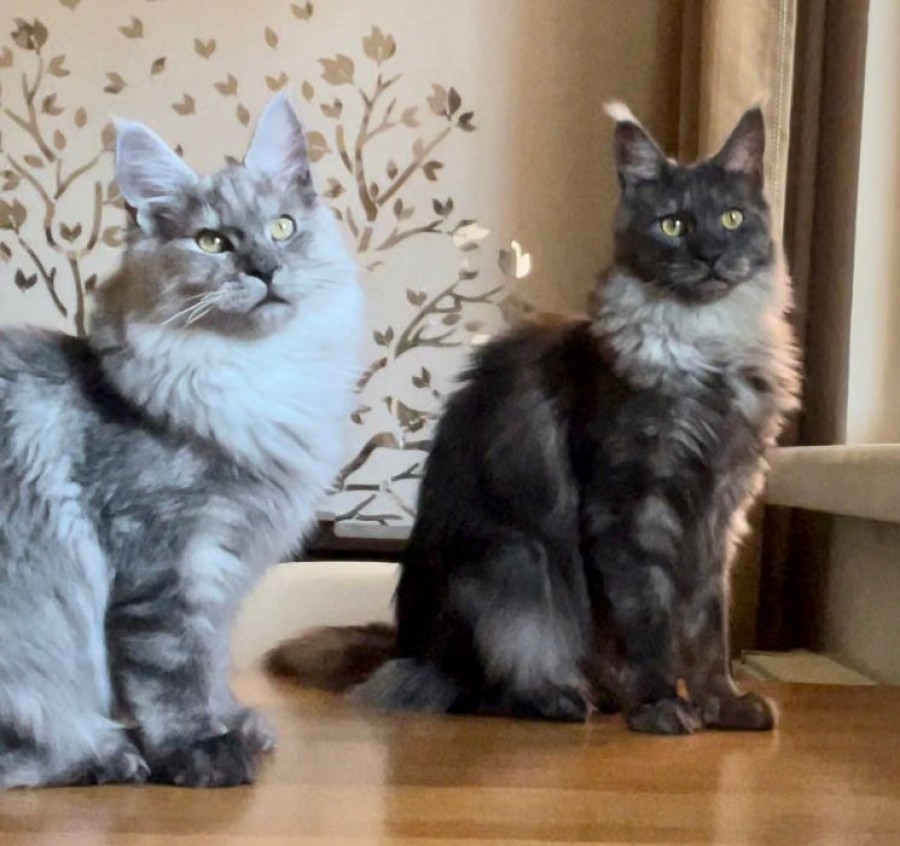
Maine Coon breeding is not only about preserving an impressive cat breed. It is a long-term responsibility covering health, genetic diversity, behavioral development and animal welfare.
Successful breeding aims to raise healthy, balanced and well-socialized generations instead of focusing only on physical traits. Scientific data, veterinary support and an ethical approach play important roles in modern Maine Coon breeding.
Maine Coon breeding requires a special approach because the breed develops late, is large, needs genetic follow-up and has strong social traits. Health and character should be evaluated together with appearance.
Health should always be the priority. Regular veterinary checks, health records, preventive care and genetic evaluations are basic parts of breeding programs.
Genetic tests such as HCM, SMA and PKDef evaluations can help with health planning. They are not sufficient alone, but they support conscious decisions.
Genetic diversity is one of the most important parts of a healthy program. It supports population health, helps manage inherited risks and contributes to long-term sustainability.
Pedigree and registration systems allow lineage to be followed. International organizations include World Cat Federation, The International Cat Association, Fédération Internationale Féline and Cat Fanciers' Association.
Learning the Maine Coon breed standard is important. Standards define head, ears, body proportions, coat and tail. Their purpose is to protect characteristic breed features.
Socialization is a core part of breeding. Positive interaction with people, adaptation to daily sounds and different environmental experiences support behavioral development.
The mother cat is important not only genetically but also in early social behavior, trust and environmental learning. Her living conditions and welfare matter.
Regular record keeping is essential. Health checks, veterinary visits, genetic evaluations, birth records and development follow-up should be tracked.
Nutrition management is important because Maine Coons have a long development period. Age, activity level, body condition and health should be considered. The aim is healthy development, not only growth.
Veterinary cooperation supports health evaluations, preventive practices, development monitoring and reproductive health.
Ethical breeding prioritizes animal welfare, focuses on health, considers scientific data and uses long-term planning. Continuous education is also important because veterinary medicine and genetics are always developing.
Common mistakes include focusing only on appearance, ignoring genetic diversity, neglecting socialization and not keeping regular records.
Frequently asked questions: The most important issue for beginners is prioritizing health and animal welfare. Genetic evaluations can support health planning. Socialization affects behavior and environmental adaptation. Pedigree systems record and follow lineage.
Maine Coon breeding is a comprehensive process where health, genetic diversity, socialization and ethics come together. Successful breeding aims not only to preserve physical traits but to raise healthy and balanced generations. Veterinary follow-up, genetic evaluations, record systems and continuous education are the foundation of this process.